The Role of Resistant Starch in Gut Healing
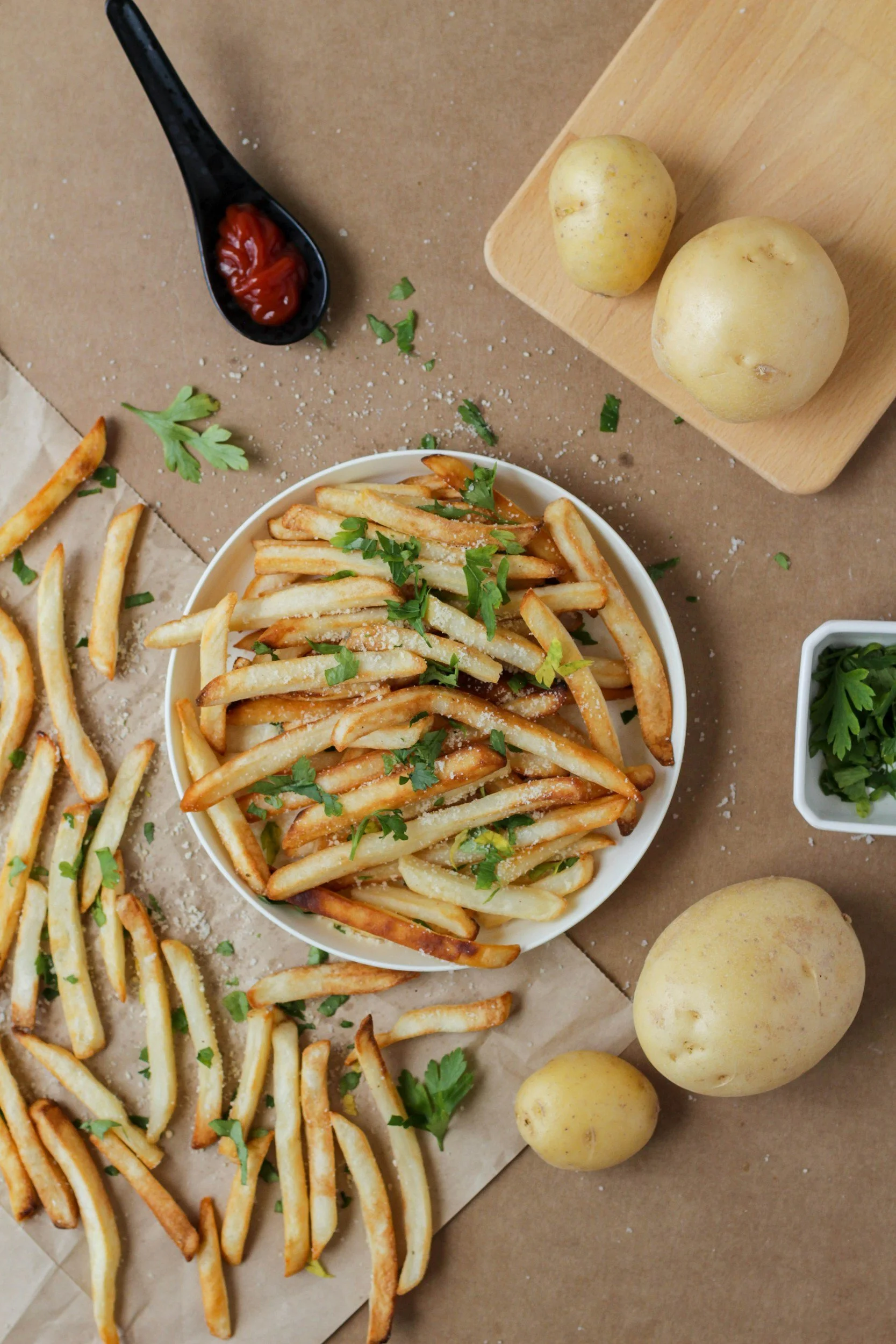
When people talk about carbs, they usually think about blood sugar spikes, energy crashes, or refined foods that upset digestion. But not all carbs are created equal—and one type, called resistant starch, is proving to be a superstar for gut health.
Resistant starch resists digestion in the small intestine and instead ferments in the colon, where it becomes food for beneficial gut bacteria. This fermentation produces short-chain fatty acids (SCFAs) like butyrate, which help heal the gut lining, reduce inflammation, and support a healthy microbiome.
This post will break down what resistant starch is, why it matters for gut healing, the best food sources, and how to incorporate it safely into your diet.
This post may contain affiliate links. If you purchase through them, I may earn a small commission at no extra cost to you. I only recommend foods and tools I trust for gut support.
What Is Resistant Starch?
Most starches are broken down into glucose in the small intestine. Resistant starch, however, bypasses digestion and reaches the colon intact. There, gut bacteria ferment it—creating beneficial byproducts for your microbiome and digestive system.
Types of Resistant Starch
RS1: Physically inaccessible starches (whole grains, seeds, legumes).
RS2: Naturally resistant starch (raw potatoes, green bananas, plantains).
RS3: Retrograded starch formed when starchy foods (like rice or potatoes) are cooked and cooled.
RS4: Man-made resistant starch (chemically modified for food products).
Benefits of Resistant Starch for Gut Healing
Feeds Beneficial Bacteria
Acts as a prebiotic, fueling microbes like Bifidobacteria and Lactobacilli.
Produces Butyrate
SCFA that reduces inflammation, strengthens the gut lining, and may reduce risk of colon cancer.
Supports Gut Barrier Function
Butyrate helps repair tight junctions, reducing “leaky gut.”
Regulates Blood Sugar
Resistant starch slows glucose absorption, supporting balanced blood sugar and reducing cravings.
Reduces Bloating Over Time
While introducing resistant starch may cause gas initially, regular use improves gut tolerance.
Food Sources of Resistant Starch
Cooked and cooled potatoes (especially red and waxy varieties)
Cooked and cooled rice or pasta
Green bananas and plantains
Oats (especially raw or overnight oats)
Legumes (lentils, chickpeas, black beans)
Cashews (in moderation)
💡 Tip: Cooking and then cooling starches (like potato salad or sushi rice) increases RS3 content significantly.
How to Incorporate Resistant Starch
Start Small
Begin with 1–2 servings per day to avoid excess gas and bloating.
Rotate Sources
Mix between cooled rice, legumes, and green bananas for variety.
Pair with Fiber & Polyphenols
Adding veggies, herbs, and healthy fats boosts microbiome benefits.
Consider Resistant Starch Powders
Potato starch or green banana flour can be added to smoothies (start with 1 tsp).
Sample Meal Plan with Resistant Starch
Breakfast: Overnight oats with chia seeds, blueberries, and a spoon of green banana flour.
Lunch: Lentil salad with parsley, cucumbers, and olive oil.
Snack: Sliced green banana smoothie with spinach and almond milk.
Dinner: Grilled salmon with cooled potato salad and roasted veggies.
Cautions
Too much resistant starch too quickly can cause bloating or gas.
People with SIBO or severe digestive issues may need to introduce it cautiously under professional guidance.
Call to Action
Resistant starch is one of the most powerful ways to support your microbiome and gut lining. By feeding beneficial bacteria and producing butyrate, it plays a direct role in gut healing and long-term digestive health.
👉 Want a plan that incorporates resistant starch without the discomfort? Book a 1:1 virtual consult with me today.
And for gut-soothing beverage pairings with your resistant starch meals, check out my recipe book Balanced Belly Beverages on Amazon.