Cooking with Herbs for Everyday Gut Healing
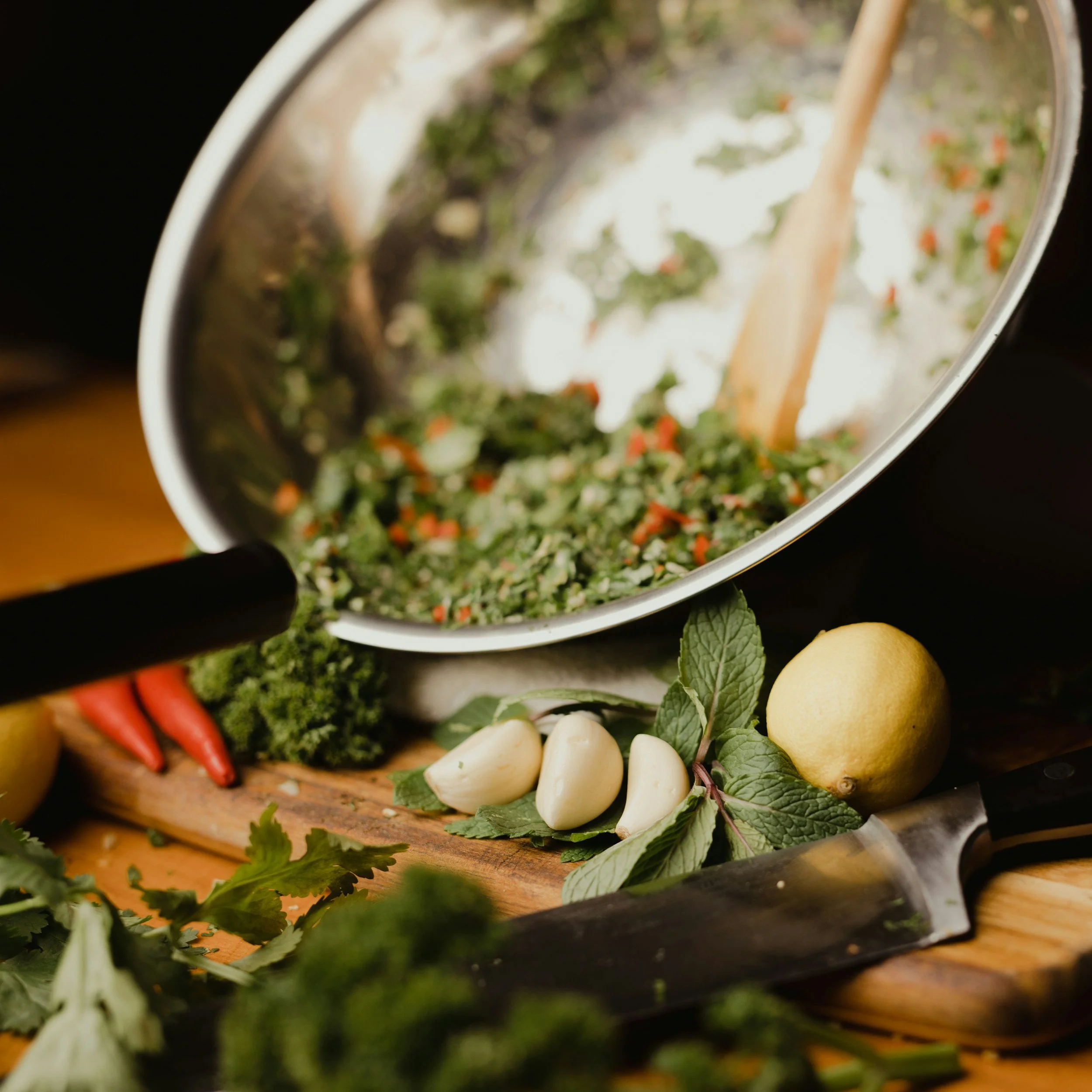
Herbs aren’t just garnishes—they’re some of the most powerful foods for supporting gut health. For centuries, cultures around the world have used herbs not only for flavor but also for their digestive, anti-inflammatory, and calming properties.
In modern kitchens, herbs like oregano, rosemary, basil, and thyme are easy to find and simple to use daily. Adding them to your meals boosts flavor without extra salt or sugar while giving your gut the phytonutrients, antioxidants, and natural plant compounds it needs to thrive.
This blog will explore the best herbs for everyday gut healing, their benefits, and practical ways to weave them into your daily cooking.
This post may contain affiliate links. If you purchase through them, I may earn a small commission at no extra cost to you. I only recommend herbs and kitchen tools I trust for gut health.
Why Herbs Support Gut Health
Antimicrobial Properties
Many herbs (oregano, thyme, rosemary) help keep harmful microbes in check without disturbing beneficial gut bacteria.
Anti-inflammatory Effects
Compounds like rosmarinic acid and eugenol reduce gut inflammation.
Digestive Support
Herbs like ginger, fennel, and peppermint help reduce bloating, cramping, and sluggish digestion.
Prebiotic Potential
Certain herbs provide fibers and polyphenols that act as food for beneficial bacteria.
Everyday Gut-Healing Herbs
1. Oregano 🌿
Rich in antioxidants and antimicrobial oils.
Supports microbial balance in the gut.
Use: Sprinkle into pasta sauces, roasted veggies, or salad dressings.
2. Rosemary 🌱
Improves circulation and has antimicrobial properties.
May support fat digestion by stimulating bile flow.
Use: Add sprigs to roasted potatoes, soups, or olive oil infusions.
3. Basil 🌸
Calms inflammation and supports digestion.
Especially soothing when paired with tomatoes and olive oil.
Use: Fresh basil in salads, pesto, or on top of cooked dishes.
4. Thyme 🌿
Natural antimicrobial that helps with gas and bloating.
Contains thymol, which supports gut and respiratory health.
Use: Blend into soups, marinades, and roasted meats.
5. Parsley 🌿
Acts as a mild diuretic, reducing bloating and water retention.
High in vitamin C and antioxidants.
Use: Chop fresh over grains, soups, or fish for a bright finish.
6. Cilantro 🌿
Supports detox pathways, rich in antioxidants.
May help reduce heavy metal accumulation.
Use: Fresh in tacos, salsas, grain bowls, or blended into dressings.
7. Dill 🌱
Calming herb for digestion and reducing gas.
Gentle on the stomach, supports gut motility.
Use: Mix into yogurt sauces, pair with salmon, or add to cucumbers.
Practical Ways to Add Herbs to Meals
Dressings: Blend fresh herbs with olive oil, lemon juice, and garlic.
Herb salts: Mix dried herbs with sea salt for easy seasoning.
Herb oils: Infuse olive oil with rosemary, thyme, or basil for cooking.
Garnishes: Sprinkle chopped parsley or cilantro over almost any dish.
Herb blends: Create homemade mixes like Italian seasoning or za’atar.
Sample Day with Gut-Healing Herbs
Breakfast: Omelet with spinach, basil, and parsley.
Lunch: Grain bowl with chickpeas, cucumbers, tomatoes, cilantro, and dill dressing.
Snack: Herbal tea (peppermint + rosemary).
Dinner: Roasted chicken with thyme and rosemary, served with garlic-oregano roasted veggies.
Gut-Friendly Bonus: Pairing Herbs with Fiber & Healthy Fats
Herbs work best alongside fiber (grains, legumes, veggies) and healthy fats (olive oil, avocado, nuts)—these combinations boost absorption of beneficial compounds and support microbiome diversity.
Call to Action
Cooking with herbs isn’t just about flavor—it’s about everyday gut healing. By weaving fresh and dried herbs into your meals, you can nourish your microbiome, ease digestion, and support whole-body health naturally.
👉 Want a personalized plan to bring more gut-healing herbs into your daily meals? Book a 1:1 virtual consult with me today.
And for drink recipes that feature many of these gut-healing herbs, check out my recipe book Balanced Belly Beverages on Amazon.