Leaky Gut: Real? Science and Practical Support
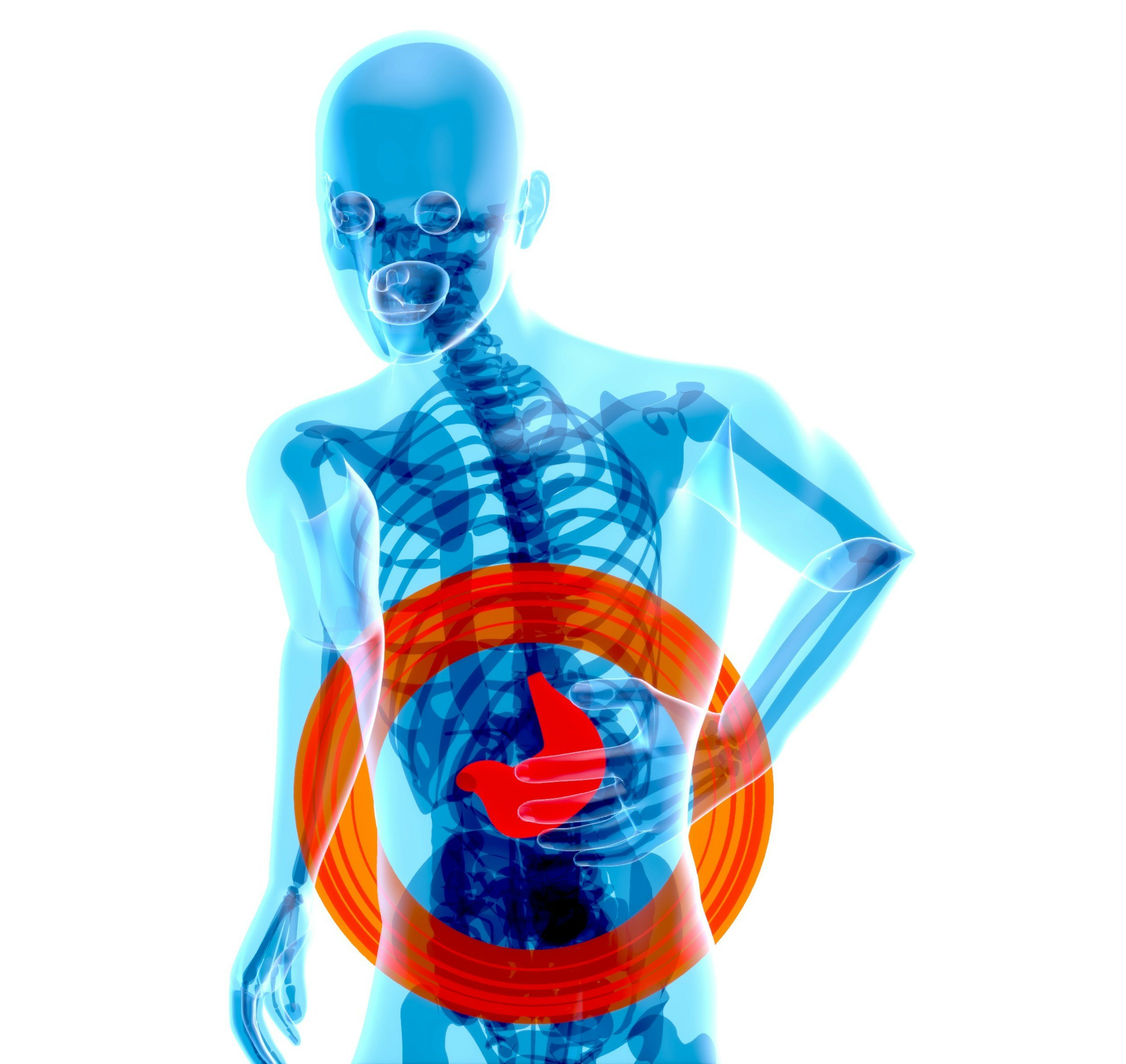
“Leaky gut” is a phrase that has exploded across the wellness world in recent years. You may have heard it in podcasts, read about it in health blogs, or even seen supplement ads claiming to “heal your leaky gut.” But what does the science actually say?
Leaky gut, more formally called increased intestinal permeability, refers to a weakening of the gut lining that allows larger food particles, toxins, or microbes to pass into the bloodstream. Some scientists argue that it plays a role in autoimmune conditions, chronic inflammation, and digestive issues. Others caution that more evidence is needed.
This blog will cut through the noise, highlight what research says about intestinal permeability, and provide practical steps you can take to support your gut lining—without falling into fear-based marketing.
This post may contain affiliate links. If you purchase through them, I may earn a small commission at no extra cost to you. I only recommend tools I personally trust for gut health.
What Is Leaky Gut?
The gut lining acts as a barrier—allowing nutrients to pass into your bloodstream while keeping harmful substances out. Tiny structures called tight junctions regulate what passes through.
When these tight junctions loosen or weaken, the gut becomes more permeable. This state is referred to as “increased intestinal permeability” or colloquially, “leaky gut.”
The Science: Where Research Stands
Recognized in Medicine (But Not as a Diagnosis)
Increased intestinal permeability is widely recognized in scientific literature.
Conditions like celiac disease, Crohn’s disease, and IBS have been linked to impaired gut barrier function.
Controversy in Mainstream Medicine
While the mechanism exists, “leaky gut syndrome” isn’t an official medical diagnosis.
Critics caution that it’s often oversimplified or used for profit-driven supplement marketing.
Research Connections
Autoimmune disease: Studies suggest barrier dysfunction may trigger immune activation.
Metabolic health: Links exist between permeability, insulin resistance, and obesity.
Neurological health: Early evidence suggests permeability may influence the gut-brain axis.
Symptoms Commonly Associated With Leaky Gut
Bloating, gas, or abdominal discomfort
Food sensitivities
Fatigue or brain fog
Skin conditions (eczema, acne)
Autoimmune flare-ups
(Note: These are nonspecific symptoms—other conditions can cause them too. It’s important to work with a healthcare professional.)
Practical Support for Gut Lining
1. Nutrition
High-fiber foods: Support microbiome diversity and SCFA production.
Polyphenols: Found in berries, olive oil, green tea, dark chocolate.
Glutamine-rich foods: Bone broth, cabbage, spinach.
Zinc sources: Pumpkin seeds, lentils, shellfish.
2. Reduce Irritants
Limit alcohol, processed foods, and high-sugar diets.
Identify and reduce food sensitivities with professional guidance.
3. Manage Stress
Chronic stress increases permeability through cortisol and inflammation.
Try mindfulness, journaling, or evening wind-down routines.
4. Sleep & Movement
Adequate sleep supports repair of the gut lining.
Gentle, regular movement (like walking or yoga) reduces inflammation.
5. Consider Supplements (with professional guidance)
L-glutamine (supports gut lining cells).
Zinc carnosine (shown to improve barrier integrity).
Probiotics (strain-dependent, some reduce permeability).
Sample Gut-Lining Support Day
Breakfast: Overnight oats with blueberries, flaxseed, and almond butter.
Lunch: Quinoa salad with chickpeas, kale, olive oil, and pumpkin seeds.
Snack: Green tea + dark chocolate square (85% cacao).
Dinner: Salmon with roasted cabbage, carrots, and turmeric-spiced rice.
Evening wind-down: Chamomile tea + journaling.
Call to Action
Whether you call it “leaky gut” or “intestinal permeability,” science confirms that the gut barrier plays a vital role in overall health. Supporting your gut lining doesn’t require extremes—it’s about variety, whole foods, and lifestyle balance.
👉 Want personalized guidance on repairing and protecting your gut? Book a 1:1 virtual consult with me today.
And for gut-soothing drink recipes that complement a healing routine, check out my recipe book Balanced Belly Beverages on Amazon.