Bitter Foods for Digestion: Why Your Gut Needs the Taste You Avoid
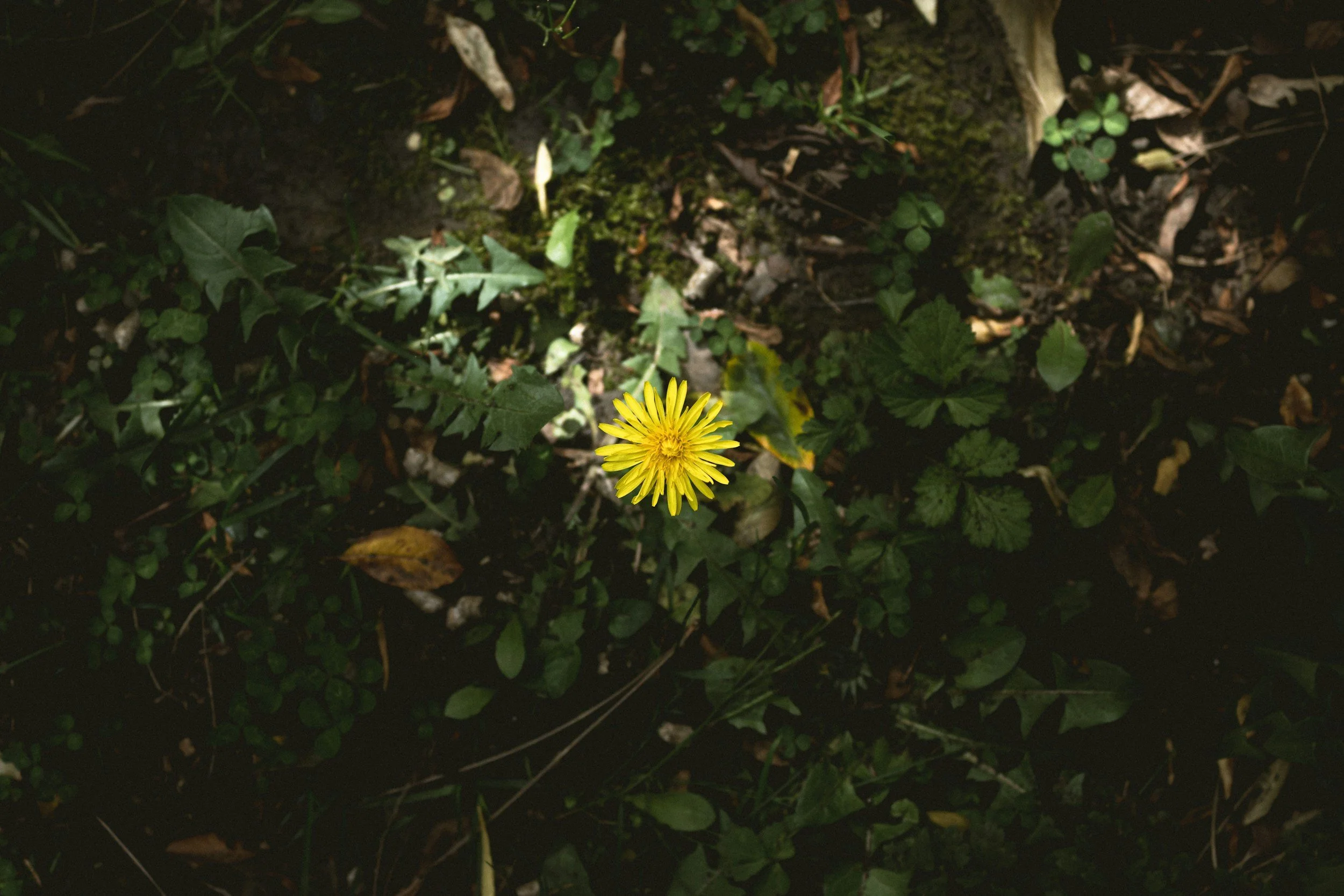
When was the last time you ate something bitter—on purpose? In today’s world, we’re surrounded by sweet, salty, and fatty flavors, while bitterness often gets left off the plate. But here’s the catch: bitter foods play a powerful role in digestion.
From stimulating digestive enzymes to supporting bile flow and gut motility, bitters have been used for centuries in traditional medicine to soothe bloating, ease sluggish digestion, and improve appetite regulation.
In this post, we’ll explore the science behind bitter foods, highlight the best natural sources, and give you practical ways to add them back into your meals.
This post may contain affiliate links. If you purchase through them, I may earn a small commission at no extra cost to you. I only recommend herbs, foods, and tools I personally trust for gut health.
Why Bitter Foods Matter for Digestion
Stimulate Digestive Juices
Bitter taste receptors on the tongue signal the brain to produce more saliva, stomach acid, and bile.
This preps the digestive system to break down food more efficiently.
Support Bile Flow
Bitters enhance bile secretion from the liver and gallbladder.
Bile helps digest fats and supports detoxification.
Reduce Bloating & Gas
Improved enzyme and bile production reduce fermentation and heaviness after meals.
Regulate Appetite
Bitters activate gut-brain signaling that improves satiety and reduces cravings.
Support Gut Motility
Bitters help move food through the digestive tract, reducing sluggish digestion.
Common Bitter Foods for Digestion
Leafy Greens
Dandelion greens
Arugula (rocket)
Kale
Mustard greens
Endive, radicchio
Herbs & Spices
Ginger
Turmeric
Fenugreek
Bitter melon
Citrus Peels
Lemon peel
Grapefruit peel
Orange peel (zest)
Other Bitters
Green tea
Coffee (in moderation)
Dark chocolate (70%+)
Artichokes
Traditional Uses of Bitters
Ayurveda: Bitter taste balances heat and supports detox.
Traditional Chinese Medicine (TCM): Bitter foods clear “dampness” and support the liver.
European herbalism: Digestive bitters (tonics) were common before meals to prevent indigestion.
Practical Ways to Add Bitters to Your Diet
Start Small
Add a handful of arugula to salads or sandwiches.
Use kale or mustard greens in soups and sautés.
Sip Bitters Before Meals
Herbal bitters tinctures (drops before meals) are a simple way to stimulate digestion.
Use Citrus Zest
Grate lemon or orange peel into dressings, teas, or yogurt.
Choose Dark Chocolate
Opt for 70%+ cacao for both polyphenols and bitter digestive benefits.
Experiment with Bitter Teas
Try dandelion root tea, chamomile, or green tea after meals.
Sample Meal Day with Bitters
Breakfast: Greek yogurt with orange zest + sprinkle of dark chocolate.
Lunch: Quinoa salad with arugula, chickpeas, and lemon vinaigrette.
Snack: Green tea + a few squares of 70% cacao chocolate.
Dinner: Roasted chicken with sautéed kale and artichokes.
Cautions
People with ulcers, reflux, or gallbladder issues should introduce bitters slowly and consult a practitioner before using concentrated bitter tinctures.
Pregnant or breastfeeding individuals should be cautious with certain bitter herbs.
Call to Action
Bitters may not be your favorite taste—but they could be your gut’s secret weapon. By adding more bitter foods to your plate, you’ll support digestion, reduce bloating, and nourish your microbiome.
👉 Want to know which bitters fit your unique gut health needs? Book a 1:1 virtual consult with me today—I’ll help you build a food plan that balances taste and function.
And for gut-soothing drinks that complement bitter foods, check out my recipe book Balanced Belly Beverages on Amazon.