How Gut Health Impacts Heart Health (Fiber and the Microbiome)
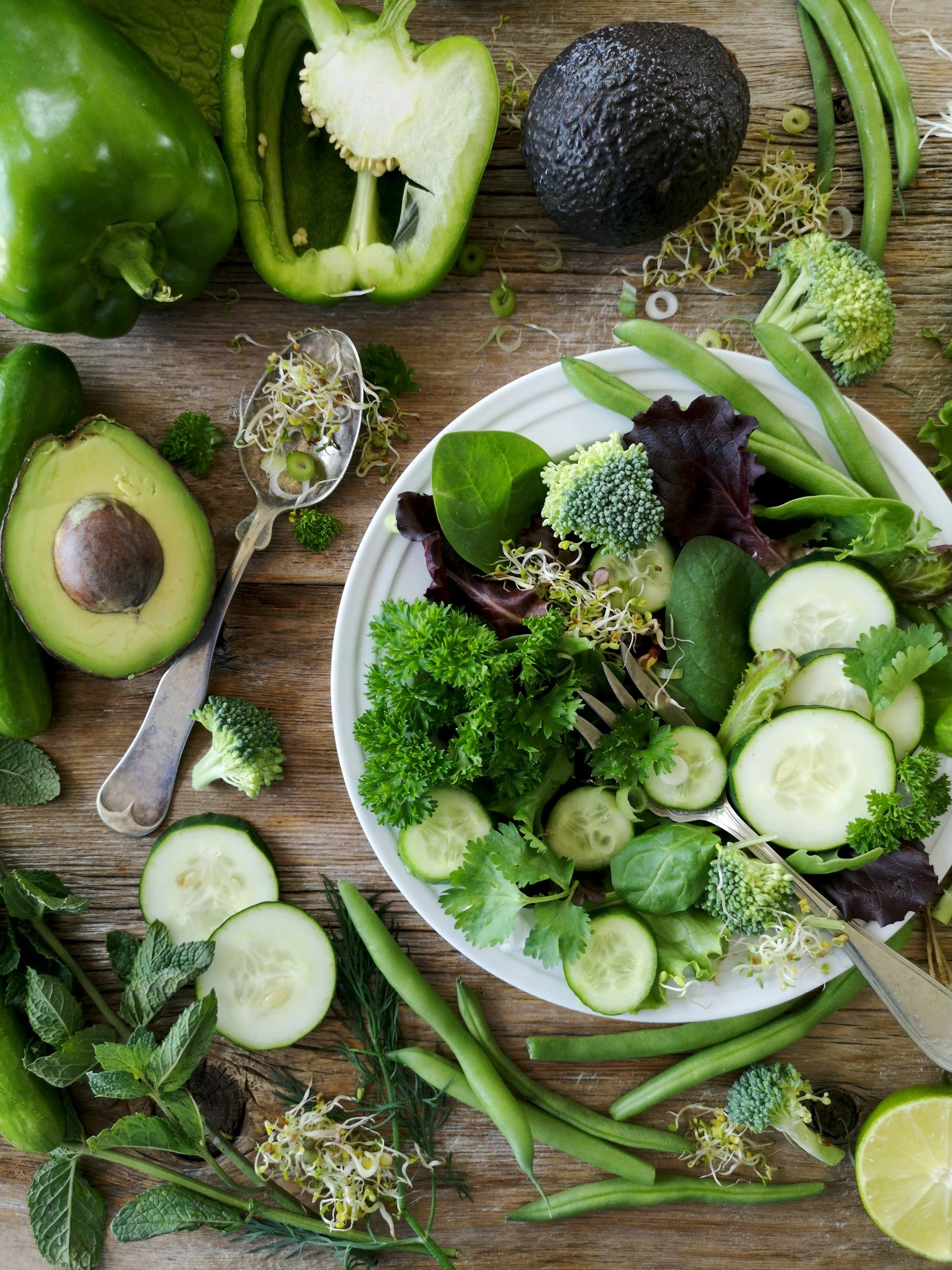
When people think of heart health, they often focus on cholesterol, blood pressure, and exercise. While these are important, emerging science highlights another key player: your gut.
The gut microbiome—the trillions of microbes living in your digestive system—does far more than aid digestion. It produces compounds that influence cholesterol, blood pressure, inflammation, and even blood vessel health. And one of the most powerful tools for keeping both your gut and your heart healthy? Fiber.
In this post, we’ll explore the fascinating link between gut health and heart health, how fiber shapes the microbiome, and practical ways to eat for both digestive comfort and cardiovascular protection.
This post may contain affiliate links. If you purchase through them, I may earn a small commission at no extra cost to you. I only recommend foods and tools I personally trust for gut and heart health.
The Gut–Heart Connection
Microbial Metabolites and Heart Health
Gut bacteria break down fiber into short-chain fatty acids (SCFAs) like butyrate, acetate, and propionate.
These SCFAs lower inflammation, regulate blood sugar, and may reduce cholesterol.
Cholesterol Regulation
Certain microbes help metabolize bile acids, aiding in cholesterol balance.
A fiber-rich diet encourages growth of microbes that “trap” cholesterol in the gut.
Blood Pressure Support
SCFAs from fiber improve blood vessel flexibility.
Some fibers, like beta-glucans in oats, are linked to lower blood pressure.
Inflammation and Arterial Health
An imbalanced microbiome produces harmful metabolites like TMAO (trimethylamine N-oxide), linked to plaque buildup in arteries.
Diverse plant foods help reduce TMAO production and promote beneficial microbes.
Fiber: The Heart–Gut Super Nutrient
Soluble fiber: Found in oats, beans, lentils, apples, and citrus. Helps lower LDL cholesterol.
Insoluble fiber: Found in whole grains, nuts, and vegetables. Promotes motility and gut regularity.
Prebiotic fibers: Found in garlic, onions, asparagus, bananas. Feed beneficial microbes.
💡 Goal: Aim for at least 25–35g of fiber daily.
Foods That Support Both Gut & Heart Health
High-Fiber Champions
Oats
Lentils and chickpeas
Apples and pears
Leafy greens
Chia seeds and flaxseeds
Polyphenol-Rich Foods
Berries
Dark chocolate (70%+)
Green tea
Olive oil
Fermented Foods
Sauerkraut
Kimchi
Yogurt/kefir
Miso
Sample Day of Gut-Heart Friendly Eating
Breakfast: Overnight oats with chia seeds, blueberries, and walnuts.
Lunch: Lentil and veggie soup with a side salad (olive oil + lemon dressing).
Snack: Apple slices with almond butter.
Dinner: Salmon with quinoa, sautéed kale, and roasted Brussels sprouts.
Evening: Green tea or chamomile tea.
Lifestyle Habits That Strengthen Both Systems
Exercise: Supports both gut motility and heart circulation.
Stress management: Chronic stress harms the gut lining and raises blood pressure.
Sleep: Poor sleep alters microbiome balance and cardiovascular risk.
Limit alcohol and processed foods: Both harm gut bacteria and strain the heart.
Call to Action
Your gut and heart are more connected than you might think. By eating a fiber-rich, microbiome-friendly diet, you’re not only soothing your digestion but also protecting your cardiovascular system.
👉 Want a personalized plan to improve both gut and heart health? Book a 1:1 virtual consult with me today.
And for gut-soothing drinks packed with fiber-rich and heart-friendly ingredients, check out my recipe book Balanced Belly Beverages on Amazon.